
Are you passionate about beauty and dreaming of becoming a professional beauty therapist, nail technician, makeup artist or lash technician? Before turning your passion into a career, one important question deserves your attention: Do you need a beauty certificate to work professionally in Australia?
The answer depends on the beauty services you plan to offer, the relevant state or territory requirements, your employer and your insurance provider. Although a formal qualification is not universally mandatory for every beauty service, appropriate professional training can help you develop practical skills, understand client safety and prepare for career opportunities.
At The Nail and Beauty College, we believe that learning the right techniques, understanding professional responsibilities and building confidence are essential steps towards a successful beauty career.
Whether you are a beginner or looking to improve your existing skills, this guide explains why beauty qualifications matter, how to identify nationally recognised courses and what to consider before enrolling in beauty training in Australia.
Why Is a Beauty Certificate Important for Your Career?
The beauty industry offers opportunities for creative individuals who enjoy helping people look and feel their best. However, working professionally involves much more than watching tutorials or practising techniques at home.
Beauty professionals need to understand hygiene, client consultation, product selection, treatment procedures and safe working practices.
Here are five important reasons to consider professional beauty training.
- Learn Professional Beauty Techniques Through Practical Training
Online videos can be helpful for discovering new beauty trends, but they cannot replace structured training, supervised practice and individual feedback from a trainer.
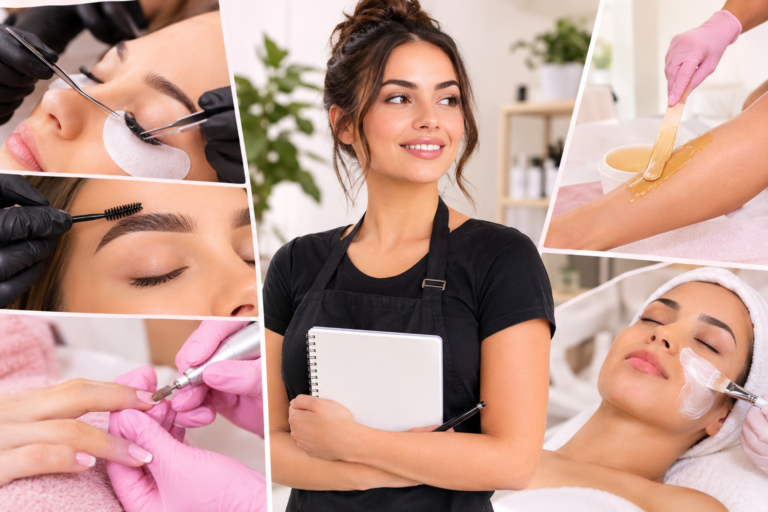
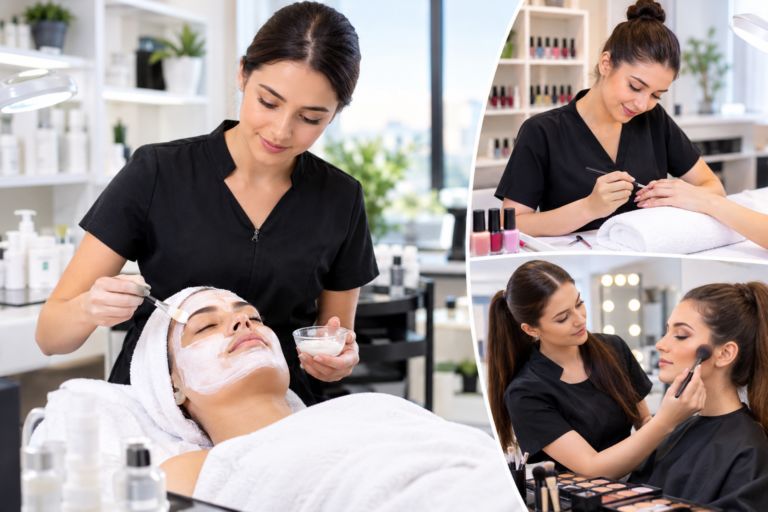
Professional beauty courses can help students develop practical skills in areas such as:
- Manicure and pedicure services.
- Nail art and nail enhancement techniques.
- Eyelash extensions and lash and brow services.
- Makeup application for different occasions.
- Waxing and cosmetic tanning services.
- Client consultation and professional salon practices.
The subjects covered will depend on the course you choose. Practical training helps you understand the correct procedures, recognise common mistakes and improve your technique through assessment and feedback.
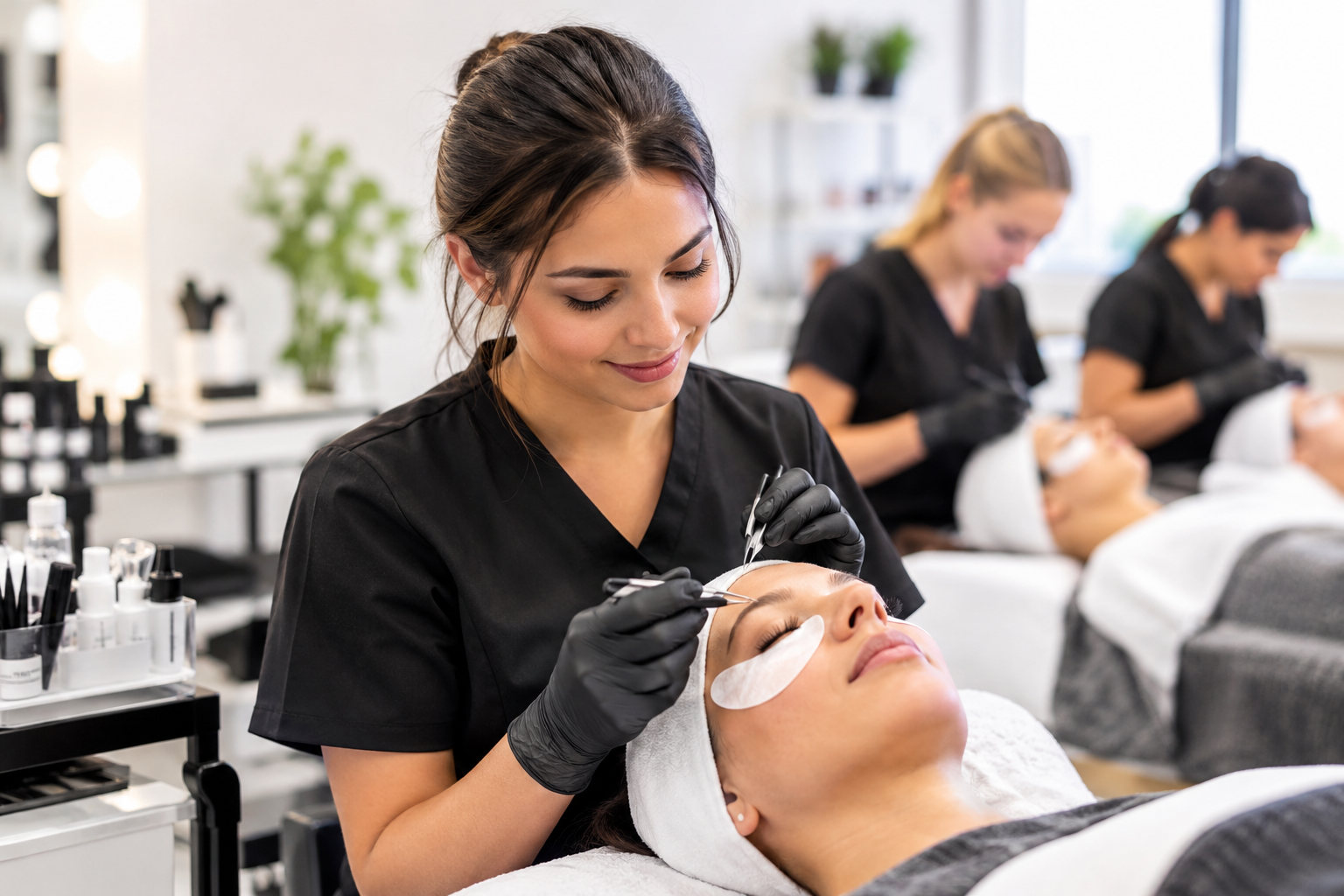
For example, incorrect eyelash extension application may cause irritation, allergic reactions or damage to natural lashes. Similarly, poor nail hygiene and improper tool handling can increase the risk of infection.
Learning the appropriate procedures helps you understand these risks and work more responsibly.
- Understand Beauty Insurance Requirements Before Working With Clients
If you plan to work independently, offer mobile beauty services or open a salon, understanding insurance requirements is an important part of preparing your business.
Some beauty insurance providers require relevant qualifications or approved training for the specific services you intend to perform. However, requirements vary according to the insurer, policy and treatment.
Before accepting paying clients, contact your prospective insurer and ask:
- Which qualifications are accepted for my chosen services?
- Does my policy cover every treatment I intend to provide?
- Are additional certificates or training required?
- Are there any restrictions on working from home or offering mobile services?
A beauty certificate does not automatically guarantee insurance coverage. You should verify that your training meets your insurer’s requirements and that your policy covers your actual business activities.
Taking these steps before launching your business can help you make informed decisions and reduce avoidable risks.
- Build Client Trust and Professional Confidence
Clients want to feel comfortable and confident when choosing a beauty professional.
Professional training can help you understand how to conduct consultations, discuss treatment expectations, identify potential contraindications and follow suitable hygiene procedures.
It can also help you explain your services clearly and communicate professionally with clients.
A relevant qualification may strengthen your credibility when applying for suitable positions or promoting your services. However, success also depends on practical ability, customer service, experience and the quality of your work.
The more you understand your chosen treatments, the better prepared you can be to deliver a professional client experience.
- Explore Different Career Opportunities in Beauty
A beauty qualification can provide a foundation for exploring different roles within the beauty industry.
Depending on your training, experience and any additional requirements, potential career pathways may include:
- Working as a beauty salon assistant or beauty professional.
- Providing nail services in a nail studio.
- Working as a makeup artist for suitable occasions and clients.
- Offering lash and brow services within your scope of training.
- Developing a beauty business or eligible mobile service.
- Continuing your education through further beauty qualifications.
Some roles and treatments may require specialised qualifications, additional training or compliance with specific regulations. Always check the requirements associated with your intended career.
- Develop Your Skills for Long-Term Growth
Beauty trends, techniques and products continue to evolve. Ongoing learning can help you improve your existing skills and explore new areas of specialisation.
For example, you might begin with foundational beauty training and later pursue further study in nail technology or beauty therapy.
Professional development can also help you strengthen your understanding of client care, salon operations and business practices.
Instead of choosing a course only because it is inexpensive or short, consider the practical skills it teaches, the qualification it provides and how it fits your career goals.
What Is a Nationally Recognised Beauty Qualification in Australia?
A nationally recognised qualification is a formal Australian vocational education and training credential awarded through the appropriate authorised training arrangements after a student meets the required assessment standards.
These qualifications follow nationally recognised training requirements and can provide evidence of the competencies you have achieved.
However, not every beauty course offers a nationally recognised qualification. Some providers deliver non-accredited workshops, short courses or certificates of completion designed to teach particular techniques.
Understanding the difference is important before enrolling.
Nationally Recognised vs Non-Accredited Beauty Courses
Nationally recognised training
- Leads to a nationally recognised qualification or statement of attainment when the relevant requirements are met.
- Is delivered and assessed through an appropriately authorised Registered Training Organisation (RTO).
- Provides formal evidence of the competencies achieved.
- May help satisfy certain employer or insurer requirements, depending on the role and services offered.
Non-accredited beauty training
- May focus on a specific treatment or practical technique.
- Does not automatically provide a nationally recognised qualification.
- Can be useful for introductory learning or supplementary skill development.
- May not meet the requirements of an employer, regulator or insurance provider.
Neither the course name nor a certificate of completion alone proves that training is nationally recognised. Always verify the course and provider before making a payment.
How to Check Whether a Beauty Course Is Nationally Recognised
Choosing the right training provider is an important step towards your professional future. Use these four steps to check a course before enrolling.
Step 1: Check the Training Provider’s RTO Registration
Ask the college for its Registered Training Organisation number.
You can search the provider on the Australian Government’s official training.gov.au register to check its registration details and authorised training scope.
Make sure the provider is authorised to deliver the particular qualification you want to study.
Step 2: Verify the Qualification Code
Nationally recognised qualifications have official codes and titles.
For example:
- SHB30121 – Certificate III in Beauty Services
- SHB30321 – Certificate III in Nail Technology
- SHB50121 – Diploma of Beauty Therapy
You can search these codes on training.gov.au to review the relevant training product details and status.
Remember that a unit of competency and a complete qualification are different. Completing an individual unit does not automatically mean you have achieved the entire certificate or diploma.
Step 3: Ask What Certificate You Will Receive
Before enrolling, confirm whether the course provides:
- A nationally recognised qualification.
- A statement of attainment for the units completed.
- A non-accredited certificate of completion.
Ask the provider to explain the outcome in writing if you are unsure.
Step 4: Confirm the Course Meets Your Career Goals
Consider the treatments you want to perform, the skills you need to develop and the requirements of your intended workplace or insurance provider.
Compare course content, practical training, assessment arrangements, duration, fees and any applicable entry requirements.
Making these checks can help you choose training that is relevant to your professional ambitions.
Which Beauty Course Should You Choose?
The right beauty course depends on your interests and the type of career you want to build.
The Nail and Beauty College, based in Brisbane, offers nationally recognised training options for students interested in different areas of the beauty industry.
Certificate III in Beauty Services
The SHB30121 Certificate III in Beauty Services provides foundational training for a range of beauty services.
Depending on the selected training and assessment requirements, students develop skills relevant to areas such as client consultation, makeup, lash and brow services, waxing, nail services and safe hygiene practices.
Explore the Certificate III in Beauty Services to learn more about the course.
Certificate III in Nail Technology
The SHB30321 Certificate III in Nail Technology is designed for students interested in developing professional nail technology skills.
Training areas can include manicure and pedicure services, nail enhancements, nail art, infection control and professional salon practices.
Explore the Certificate III in Nail Technology to discover this training pathway.
Diploma of Beauty Therapy
The SHB50121 Diploma of Beauty Therapy is a further training option for people seeking broader skills in beauty therapy.
Depending on the training and assessment requirements, the qualification develops knowledge and skills across a range of beauty therapy treatments and professional practices.
Visit the Diploma of Beauty Therapy page to review the course details.
Before enrolling in any qualification, check its current availability, course structure, fees, entry requirements and delivery arrangements with the college.
Why Choose The Nail and Beauty College?
Choosing a beauty college is about finding training that supports your learning goals and helps you prepare for professional practice.
The Nail and Beauty College (RTO 31802) offers beauty training pathways in Brisbane, including nationally recognised qualifications and specialised courses.
When exploring your options, consider the importance of:
- Practical learning: Develop skills relevant to your selected beauty services.
- Industry-focused training: Learn techniques and professional practices aligned with the course requirements.
- Qualified trainers and assessment: Understand the procedures and competencies expected in your training.
- Career development: Explore training pathways that align with your future goals.
- Course guidance: Ask questions about fees, entry requirements, delivery and available funding before enrolling.
The college also provides information about government-funded training options where available and subject to eligibility and applicable conditions. Funding is not guaranteed for every student or course, so contact the college to discuss your circumstances.
Explore all beauty courses at The Nail and Beauty College to compare available training options.
Frequently Asked Questions About Beauty Certificates in Australia
- Do I need a certificate to work in the beauty industry in Australia?
Not every beauty service has the same qualification requirements. Your obligations may depend on the treatment, applicable state or territory rules, employer expectations and insurance conditions. Appropriate professional training is strongly worth considering before providing services to clients.
- Is a nationally recognised beauty qualification better than a non-accredited certificate?
They serve different purposes. A nationally recognised qualification provides formal evidence of competencies achieved under Australia’s recognised vocational training framework. A non-accredited course may teach useful skills but does not provide the same qualification status. Choose according to your career goals and any applicable requirements.
- How can I check whether a beauty course is nationally recognised?
Search for the course code or title on training.gov.au. Check the RTO’s registration and authorised scope, and confirm that the provider is authorised to deliver the specific qualification.
- Can I get beauty insurance without a qualification?
Insurance requirements vary between providers, policies and beauty treatments. Some insurers require relevant qualifications or approved training before covering particular services. Contact your prospective insurer directly to confirm which credentials they accept and what your policy covers.
- Which beauty course is best for beginners in Australia?
The best course depends on your interests and career plans. Certificate III in Beauty Services may suit people seeking foundational beauty skills, while Certificate III in Nail Technology is relevant to aspiring nail technicians. The Diploma of Beauty Therapy may suit those pursuing broader beauty therapy training. Compare course content and requirements before deciding.
Start Your Beauty Career with the Right Training
Your passion for beauty can become the starting point for a rewarding professional journey. With appropriate training, practical experience and a commitment to client safety, you can work towards developing the skills and confidence needed for your chosen beauty career.
Before enrolling, verify the qualification, check the provider’s registration and make sure the training aligns with your professional goals.
Ready to turn your passion for beauty into professional skills?
Take the next step with The Nail and Beauty College.
Explore our beauty courses, discuss your career goals with our team and find out which training pathway may be right for you.
Call (07) 3881 1977 to speak with our team about available courses, enrolment requirements and financial assistance options.
Visit The Nail and Beauty College or contact us today to get started.
Invest in your skills. Build your confidence. Take the next step towards your beauty career.