
Are you passionate about skincare, makeup, nails, lashes, or beauty therapy? Exploring the best beauty courses in Australia can help you turn your passion into practical skills and take the first step towards a rewarding career in the beauty industry.
Whether you dream of becoming a professional beauty therapist, working in a luxury spa, specialising in nail technology or starting your own makeup business, the right training can help you develop the practical skills and industry knowledge needed to pursue your goals.
Despite having so many beauty courses available in Australia, which one would be the right choice for you?
The most suitable beauty course would differ depending on the career you wish to have. Certificate III qualifications may suit students interested in foundational beauty services, makeup or nail technology.
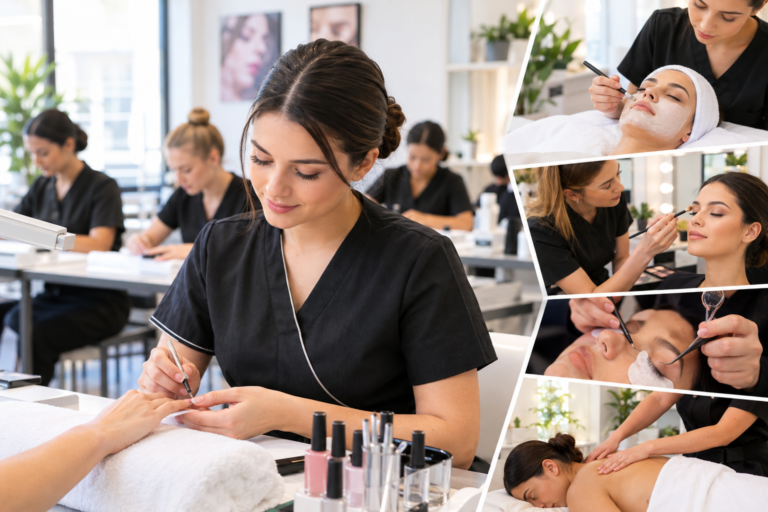
At The Nail and Beauty College in Brisbane, students can explore different training pathways to find a course that aligns with their interests, career ambitions and learning needs.
Which Beauty Course Should You Choose? A Quick Guide
If you are unsure where to begin, use this overview to identify the training pathway that may suit your interests.
- Certificate III in Beauty Services: Suitable for people interested in various basic beauty services.
- Certificate III in Nail Technology: Suitable for aspiring nail technicians who want to develop professional nail skills.
- Diploma of Beauty Therapy: A pathway for people interested in comprehensive beauty therapy training, including facial treatments, body treatments, and massage-related skills, depending on the selected training and assessment requirements.
These qualifications have different training requirements and outcomes. You do not necessarily have to complete Certificate III before enrolling in a Diploma, but you must meet the entry requirements of your chosen course.
Before enrolling, speak with the college’s course advisers to discuss your interests and confirm which pathway is appropriate for your goals.
1. Diploma of Beauty Therapy: For a Broader Beauty Therapy Career
The SHB50121 Diploma of Beauty Therapy could be a good choice for you if you are interested in acquiring various skills in beauty therapy.
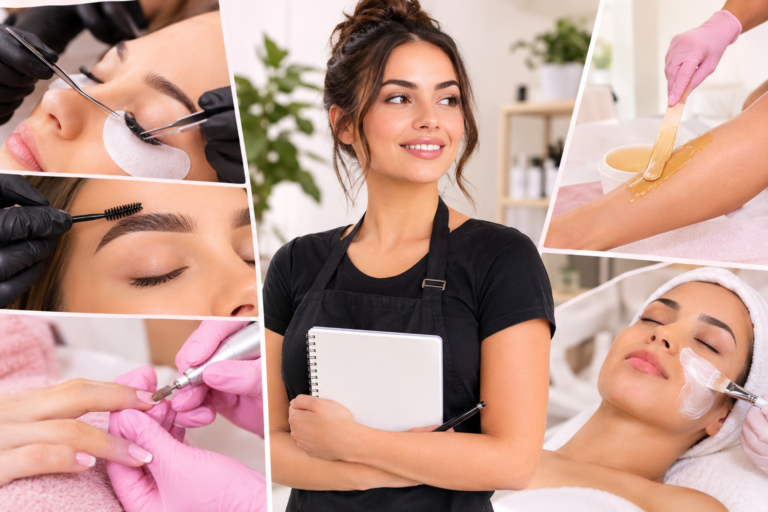
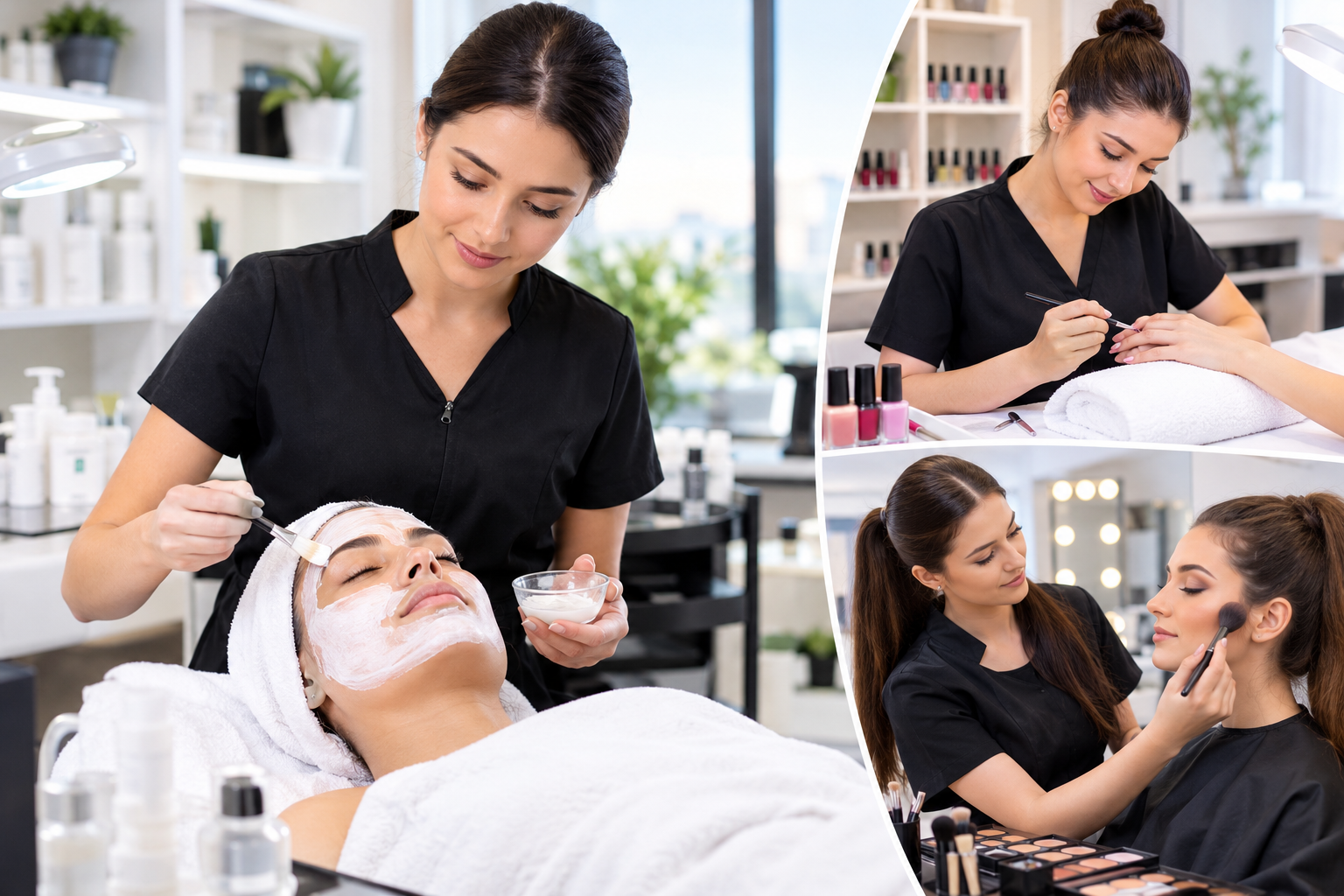
This program is designed for people who wish to work as beauty therapists in different places such as beauty salons and day spas. It covers a broad range of services, including facial treatments, body treatments, massage, hair removal, nail services, makeup and lash and brow treatments, depending on the training and assessment requirements.
Explore the Diploma of Beauty Therapy at The Nail and Beauty College.
What Will You Learn in a Diploma of Beauty Therapy?
Your training may include areas such as:
- Facial treatments and skincare recommendations.
- Beauty consultations and treatment planning.
- Body treatments and massage techniques.
- Waxing and hair removal services.
- Manicure and pedicure services.
- Lash and brow treatments.
- Hygiene and infection control.
- Client care, professional communication, and salon practices.
The qualification also helps students develop an understanding of selecting appropriate treatments, products and equipment according to client needs and the services being provided.
The specific units you complete will depend on the qualification requirements and the training plan offered by the provider.
Who Should Consider a Diploma of Beauty Therapy?
This pathway may suit you if you:
- Want to develop a broad range of beauty therapy skills.
- Are interested in working in a beauty salon or day spa.
- Like learning skincare and professional facials.
- Want to explore massage and body treatment services.
- Wish to keep gaining experience in the beauty industry.
The Diploma may also be relevant if you are considering future specialised training. However, completing the qualification does not automatically authorise you to perform every advanced cosmetic procedure.
Important: If your goal is to work in IPL, laser or other advanced cosmetic treatments, check the current training, licensing, regulatory and employment requirements for the specific procedure and location. More qualifications or experience may be needed.
2. Certificate III in Beauty Services: A Starting Point for Beauty Beginners
If you are new to the beauty industry, SHB30121 Certificate III in Beauty Services may be a suitable qualification to investigate.
This qualification is designed to develop foundational skills for a range of beauty services and can provide a pathway towards further beauty training.
View the Certificate III in Beauty Services course.
What Can You Learn in Certificate III in Beauty Services?
Depending on your selected training pathway and the units included, you may develop skills in areas such as:
- Makeup application.
- Lash and brow services.
- Waxing.
- Manicure and pedicure services.
- Cosmetic tanning.
- Client consultation and customer care.
- Safe hygiene and professional workplace practices.
Certificate III is particularly worth considering if you want to develop skills in selected beauty services without immediately committing to a broader beauty therapy qualification.
It is important to note that what treatments you’ll learn would depend on the beauty course you choose. Check the course page and training plan before enrolling.
Who Should Choose Certificate III in Beauty Services?
This qualification may suit:
- Beginners interested in entering the beauty industry.
- Aspiring beauty professionals who want foundational practical skills.
- People interested in selected salon treatments.
- Students who may wish to pursue additional training later.
If you are interested in providing facial treatments, massage or specialised skin treatments, ask the college which qualification and units would be most suitable for your goals.
3. Certificate III in Nail Technology: For Aspiring Nail Technicians
Do you enjoy nail art, creative designs, manicures and professional nail enhancements?
The SHB30321 Certificate III in Nail Technology may be the right pathway to explore.
This qualification focuses on nail technology skills and prepares students to develop competencies relevant to nail services in professional settings.
Learn more about the Certificate III in Nail Technology.
What Can You Learn in Nail Technology Training?
Depending on the units and course structure, your training may include:
- Manicure and pedicure services.
- Nail preparation and nail care.
- Nail enhancement techniques.
- Nail art and creative applications.
- Hygiene and infection control.
- Client consultation and professional service.
This pathway may appeal to people who want to work in nail salons, develop a specialist service offering or explore self-employment after gaining the required skills and meeting relevant business and insurance requirements.
Can Nail Technology Training Help You Start Your Own Business?
A nail technology qualification can help you develop practical skills relevant to operating a nail service business.
However, running a business also involves pricing, customer service, marketing, budgeting, insurance and complying with applicable requirements.
Consider these additional responsibilities when planning your career.
How to Choose the Best Beauty Course for Your Career Goals
The right qualification is the one that matches your interests, training needs and future plans.
Before making a decision, ask yourself the following questions.
What Type of Beauty Work Interests You Most?
If you enjoy nails and creative designs, explore nail technology.
If you are interested in a variety of salon treatments, investigate Certificate III in Beauty Services.
If your interests include facial treatments, body treatments, skincare and massage, explore Diploma of beauty therapy training.
Your preferred treatments should guide your course selection.
Do You Want to Work in a Salon, Spa, or Your Own Business?
Different workplaces may expect different skills and qualifications.
Research the roles you want to apply for and review the qualifications requested by employers. If you plan to become self-employed, consider the training, insurance and business requirements associated with your intended services.
Do You Need a Nationally Recognised Qualification?
If you want a nationally recognised qualification, check the provider’s registration and confirm that the specific training product is within its authorised scope.
Remember that completing an individual unit is not the same as completing an entire qualification.
What Are Your Study Schedule and Budget?
Compare course fees, duration, practical sessions, delivery methods, and any entry requirements.
The Nail and Beauty College lists blended learning and other course information on its website, but availability, schedules and fees may change.
Ask the college for the latest details before enrolling.
Are You Eligible for Government-Funded Training?
Some courses may have government-funded places available for eligible students, subject to the relevant program conditions.
Funding is not guaranteed for every student or qualification. Contact the college to discuss your eligibility, fees and available options.
Why Choose The Nail and Beauty College in Brisbane?
Choosing a beauty college is an important decision when preparing for a career in the beauty industry.
The Nail and Beauty College is an ASQA-registered training organisation (RTO 31802) offering beauty training pathways, including nationally recognized qualifications. Its website provides information about courses, enrollment inquiries, and funding options for eligible students.
When choosing your training provider, look for:
- Relevant practical training and assessment.
- Clear information about qualification outcomes.
- Course options aligned with your career interests.
- Guidance about entry requirements and fees.
- Information about further study and career pathways.
The college encourages prospective students to discuss their goals with the course team before making a decision.
Take the Next Step Towards Your Beauty Career
You do not have to choose a beauty qualification without guidance. Understanding the differences between Certificate III, and Diploma-level training can help you make a more informed decision.
Whether you want to become a nail technician, develop foundational beauty skills or pursue broader beauty therapy training, start by identifying the treatments you want to learn and the career you want to build.
Ready to find the right beauty course for you?
Contact The Nail and Beauty College to discuss your interests, compare course options and learn more about enrolment requirements.
- Call: (07) 3881 1977
- Email: training@nabc.edu.au
- Website: nabc.edu.au
- Course enquiries: Contact The Nail and Beauty College
Ask about current course availability, fees, delivery arrangements and financial assistance options for eligible students.
Your beauty career starts with the right choice. Speak to our team and take your first step towards your future in beauty!
Frequently Asked Questions
1. What is the best beauty course for beginners in Australia?
Certificate III in Beauty Services may be a suitable starting point for people interested in foundational beauty treatments. Those interested in nail services may prefer Certificate III in Nail Technology. The best option depends on your interests and intended career.
2. Can I enrol directly in a Diploma of Beauty Therapy without completing Certificate III?
You do not necessarily need to complete Certificate III first. Entry requirements depend on the qualification and training provider. Check the current Diploma course requirements with The Nail and Beauty College before enrolling.
3. Which beauty qualification should I choose if I want to work with skin treatments?
If you are interested in facial treatments and broader skincare services, Diploma of Beauty Therapy is most suitable qualification depends on the treatments you intend to provide and any additional requirements that apply.
4. Can I receive government funding for a beauty course in Brisbane?
Government funding may be available for eligible students and approved courses, subject to the relevant funding conditions. Contact The Nail and Beauty College to confirm current availability, eligibility requirements and any fees you may need to pay.